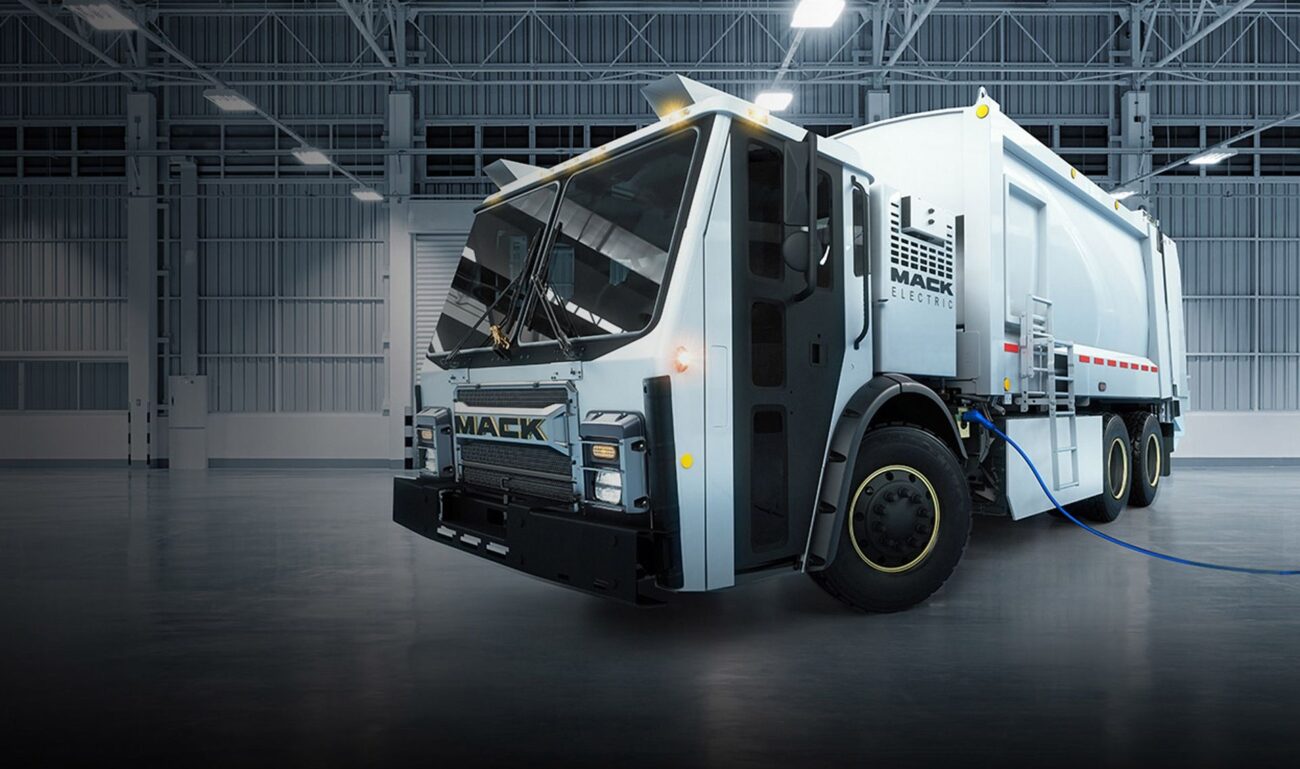
On Wednesday morning, the usual diesel growl of the garbage truck never arrived. Instead, a soft electric whine drifted down the street—barely noticeable until the hydraulic arm kicked in to lift the can. The silence was so complete that I had to peek outside to confirm what I already suspected: Fresno has begun running electric garbage trucks. The experience is strangely pleasant. You still hear the mechanical lift, which is useful because it tells you your cans are emptied and ready to be brought back in, but the engine noise is gone. It’s a small but meaningful shift in how a neighborhood sounds on collection day, and it’s part of a much larger transformation happening inside Fresno’s municipal fleet.
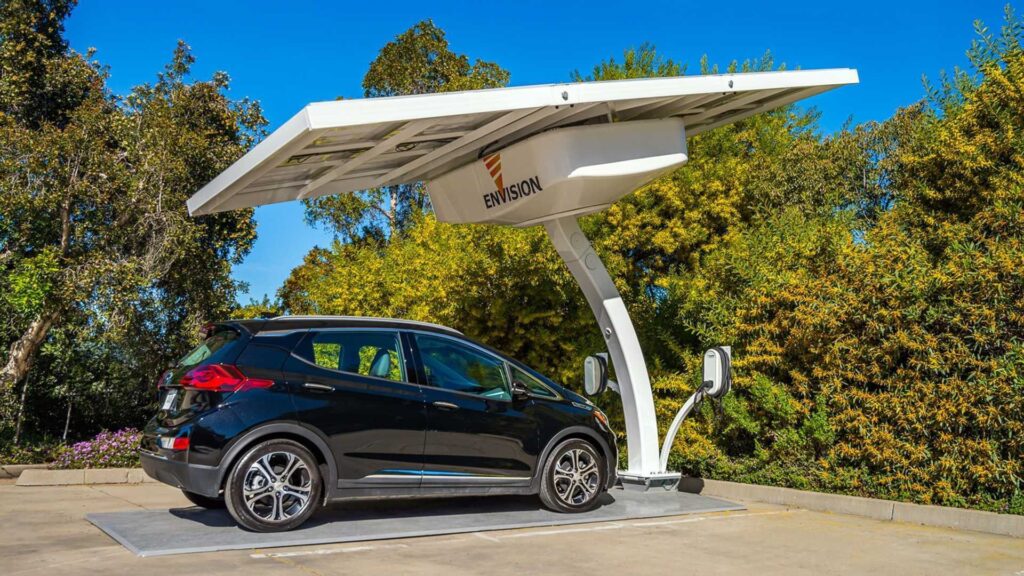
Fresno has been quietly building the backbone required for heavy‑duty fleet electrification, and refuse trucks are one of the biggest beneficiaries. The city recently installed seven EV ARC off‑grid solar charging stations at the Municipal Service Center, giving Fresno a way to charge municipal EVs without relying on the grid or paying for expensive trenching and utility upgrades. These units generate and store their own power, making them ideal for high‑demand vehicles like garbage trucks that return to the yard every day. Fresno’s broader renewable strategy is projected to save taxpayers roughly $200 million over two decades, and the charging infrastructure being deployed is exactly the type needed to support electric refuse trucks as the fleet transitions under California’s Advanced Clean Fleets regulation. That statewide rule requires cities to purchase only zero‑emission medium‑ and heavy‑duty vehicles starting in 2027, and Fresno is clearly preparing for that future.
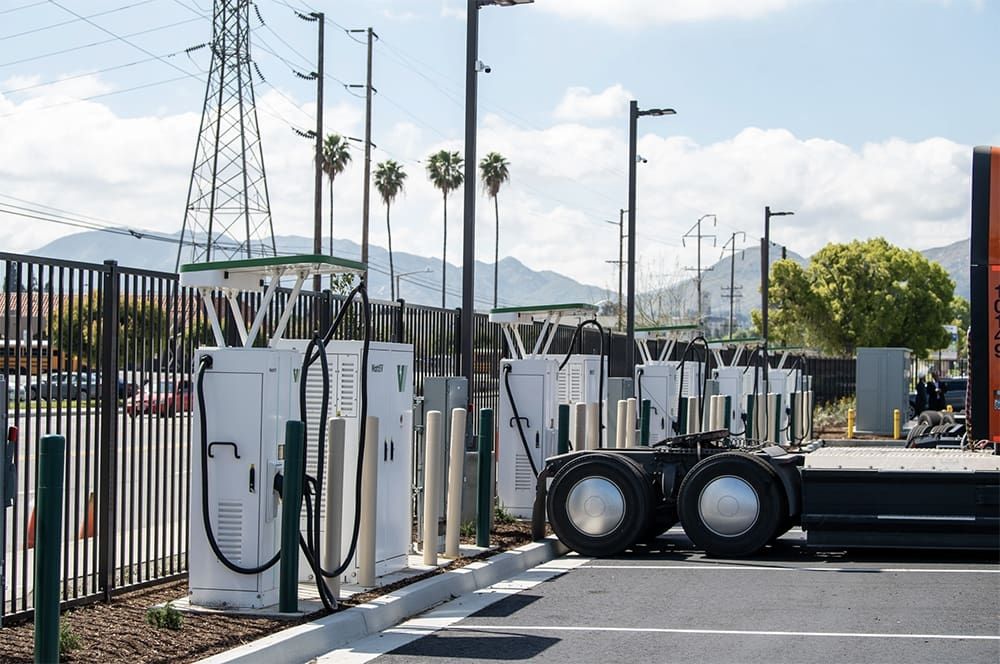
The Central Valley is also becoming a hub for heavy‑duty EV charging thanks to WattEV’s new depot on South Chestnut Avenue. This site includes megawatt‑class chargers capable of powering electric semis in about half an hour, and while it’s designed for freight, its presence signals that Fresno is rapidly becoming a heavy‑duty EV corridor. That matters because refuse trucks share many of the same charging requirements as electric semis: high‑power charging, predictable daily routes, and regenerative braking that recovers energy during stop‑and‑go operation. California already has the first fully electric trash and recycling fleet operating in another city, proving the technology is viable for daily municipal service. Fresno’s infrastructure investments suggest that similar deployments here are not just possible—they’re imminent.
For residents, the benefits show up immediately. Electric garbage trucks reduce neighborhood noise, cut diesel emissions, and improve air quality in a city that desperately needs it. They also allow earlier collection windows without the noise complaints diesel trucks would trigger. And while the hydraulic lift still makes its signature clank, the absence of engine rumble makes the whole process feel cleaner, calmer, and more modern. Fresno’s mornings are changing, one quiet pickup at a time.